Ask ten skiers for the best week of the season and you’ll get ten different answers. Here’s how the winter usually unfolds in the Alps, and how we’d choose.
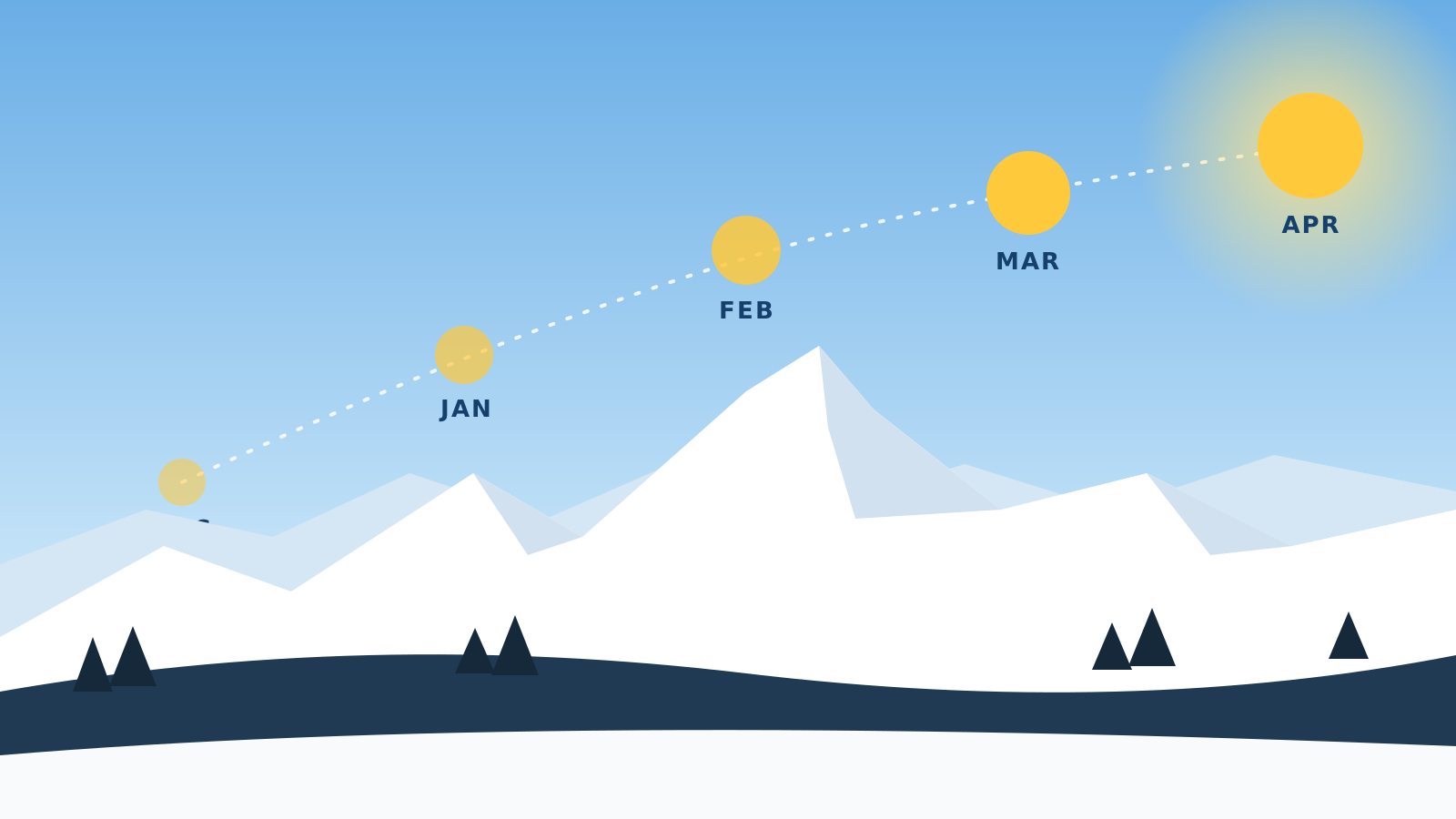
December: early season and festive lights
The first half of December can be a gamble at lower resorts, so stick to high-altitude or glacier areas. Christmas and New Year are the busiest, most expensive weeks of the year. The villages look magical, but book early.
Best for: festive trips, high-altitude resorts.
January: cold, quiet and good value
After the first week, January is the Alps’ best-kept secret. Slopes are quiet, the snow is usually cold and dry, and prices drop. The days are short and can be properly chilly, so pack well.
Best for: couples, strong skiers, value seekers.
February: peak conditions, peak crowds
Often the most reliable snow of the season, but also school holidays across much of Europe. Expect busier slopes and higher prices, especially during half-term weeks. Families have little choice; everyone else can plan around them.
Best for: families, guaranteed winter conditions.
March: sunshine and long lunches
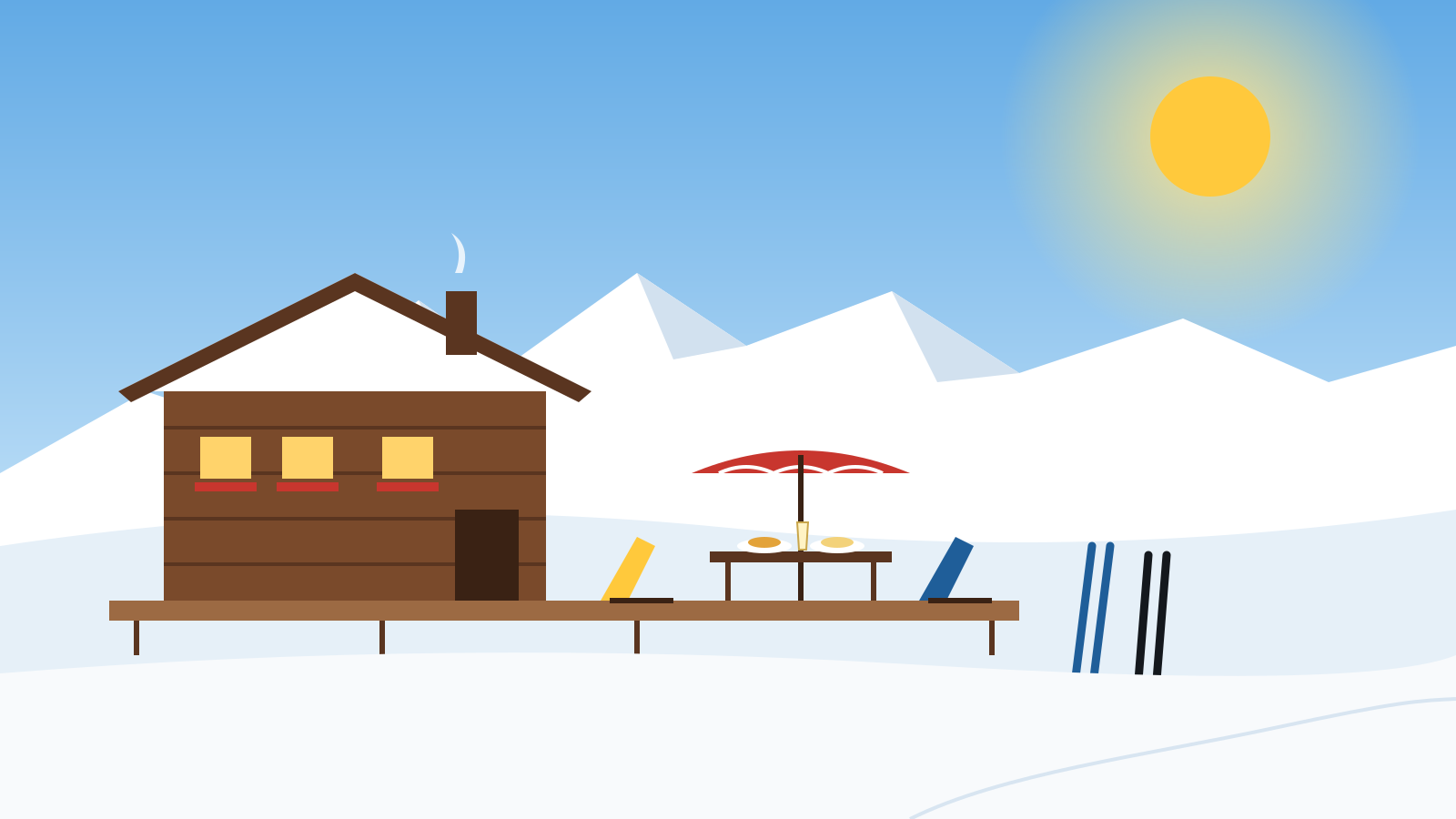
Our personal favourite. Longer, sunnier days, still plenty of snow at altitude, and mountain terraces at their best. Ski in the morning, eat outside at noon, ski the softened snow in the afternoon.
Best for: sun lovers, foodies, mixed groups.
April: spring skiing up high
High resorts and glaciers often stay open well into April, sometimes beyond. Mornings are firm, afternoons slushy, and the atmosphere relaxed. Easter brings a final busy spell.
Best for: high-altitude resorts, relaxed spring trips.
Not sure which week works for you? Tell us your dates and wishes. We’ll suggest the resorts where conditions and atmosphere are likely to be best at that time.